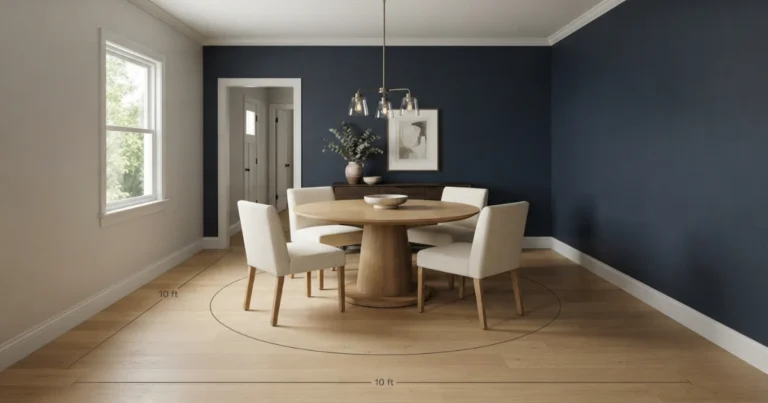
Curtain length guide: choose the right finish.
Use this curtain length guide to measure from the real hanging point, compare floor styles and choose a standard panel length that can be hemmed accurately.
Written and reviewed by Rehana K for HomeStyle Calculator.
Float for easy care, kiss for precision, break for softness, puddle for drama.
The best everyday curtain length is usually 1/2 to 1 inch above the finished floor. Choose a floor kiss when the floor and rod are level, add 1–2 inches for a break, or add 3–6 inches for a restrained puddle.
Measure from the exact point where the fabric hangs. Rings, hooks, tracks and rod pockets can change the result.
Use the right HomeStyle Calculator page for each next decision
Measure first, select the mounting line, calculate the finished order and then compare the ceiling-specific panel range.
Float, floor kiss, break and puddle diagrams
These diagrams show the same mounting height with four different finished hems.
Float
Hem stays 1/2–1 inch above the floor. Best for easy cleaning and daily movement.
Floor kiss
Hem touches lightly without folding. Elegant but less forgiving on uneven floors.
Break
One to two extra inches create a soft fold at the floor.
Puddle
Three to six extra inches create a formal decorative pool of fabric.
Calculate finished curtain length
Enter the floor-to-hanging-point drop, choose the finish and compare the result with common ready-made panel lengths.
Curtain length result
Curtain length chart
Use these numbers as shopping references, not substitutes for a real measurement.
What curtain length should you choose?
This curtain length guide starts with one principle: full-length curtains should look intentionally short, intentionally floor level, or intentionally long. A panel that stops several inches above the floor often appears accidental unless it is designed for a sill, apron, radiator, or worktop.
For most living rooms and bedrooms, choose a 1/2- to 1-inch float or a light floor kiss. A break adds relaxed softness. A puddle creates a formal decorative effect but needs more maintenance and clear floor space.
The correct result depends on the actual hanging point, not only the ceiling height. Rings, clips, hooks, tracks, rod pockets, pleats and heading tape can each change the finished drop.
The one-sentence rule
Measure from the exact point where the fabric will hang to the finished floor, then subtract for a float or add fabric for a break or puddle.
How to measure curtain length correctly
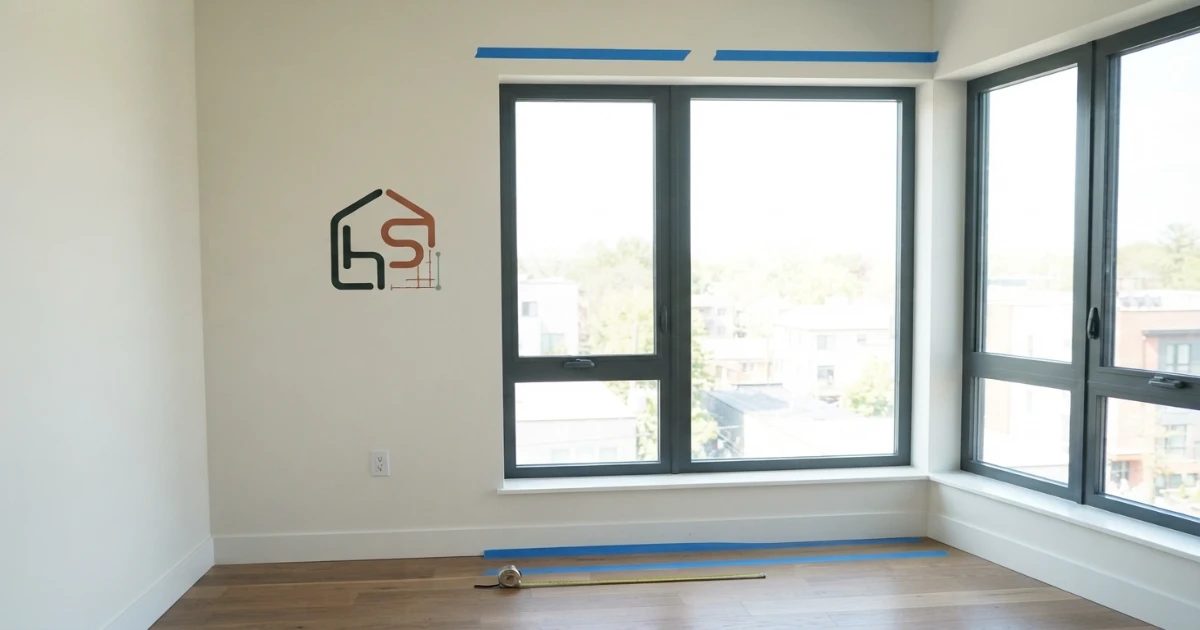
Install the rod or mark the final track position before measuring. Measure from the ring eye, hook, carrier, rod pocket top, or other fabric attachment point to the floor.
Take measurements at the left side, center, and right side of the window. Floors and ceilings are often not perfectly level. Record all three values instead of relying on one center measurement.
For a clean float, use the shortest drop and subtract about 1/2 to 1 inch. For a floor kiss, use the shortest drop and allow the hem to touch lightly without folding.
For the complete frame, rod and return-depth sequence, follow Measure Window for Curtains. Choose the vertical mounting line with How High to Hang Curtains, then enter the final drop and width in the Curtain Size Calculator.

Curtain length styles compared
A useful curtain length guide separates four full-length finishes: float, kiss, break and puddle. The difference can be less than one inch or more than six inches, yet that small change affects cleaning, movement and the overall mood of the room.
| Style | Finished position | Best for | Maintenance |
|---|---|---|---|
| Float | 1/2–1 in above floor | Daily-use rooms and easy cleaning | Lowest |
| Floor kiss | Touches floor lightly | Tailored living and bedrooms | Moderate |
| Break | 1–2 in extra fabric | Relaxed, soft interiors | Moderate |
| Puddle | 3–6+ in extra fabric | Formal, low-traffic rooms | Highest |
Float curtains: practical and tailored
Float curtains stop just above the finished floor. A 1/2-inch float gives a close, tailored appearance. A 1-inch float is more forgiving when the floor is uneven or when the panel may relax after hanging.
This finish is practical around robot vacuums, pets, children, radiators, floor vents and frequently cleaned rooms. It also reduces the chance of a hem absorbing moisture near patio doors.
The curtain length guide recommendation for a busy room is usually a 1/2- to 1-inch float. Avoid a 2- to 4-inch gap unless the curtain is intentionally apron length.
Floor-kiss curtains: exact and elegant
A floor kiss means the hem touches the floor without visibly folding. The look is precise, but the installation tolerance is small. Even a slightly uneven floor can make one side drag while the other side floats.
Measure at several points and allow the panels to hang for a few days before final hemming. Fabric can relax under its own weight, especially when it is lined or made from natural fibers.
Choose this finish when the rod and floor are level, the curtain will not be moved roughly, and regular vacuuming around the hem is manageable.
Break curtains: soft without a full puddle
A break adds about 1 to 2 inches beyond floor length. The hem forms a gentle fold rather than a large pile. This finish works with linen-look fabrics, relaxed bedrooms and softly furnished living rooms.
The fold should appear intentional across the full panel. Uneven or stiff fabric can create random bumps instead of a controlled break. Steam the panel and arrange the folds after installation.
Use the curtain length guide calculator to compare a 1-inch and 2-inch break. A small change may determine whether a standard 96-inch panel can be used or whether a longer panel must be hemmed.
Puddle curtains: formal and decorative
Puddle curtains extend onto the floor. A restrained puddle adds 3 to 6 inches. A dramatic formal treatment can use more fabric, but it needs space and regular arranging.
This style is best in low-traffic rooms where the curtains remain mostly stationary. It is less practical near exterior doors, heaters, floor vents, pets, children or damp floors.
A puddle collects dust more easily than a float. Choose washable or professionally cleanable fabric and keep the floor dry. The energy-saving benefit comes from reducing window gaps, not from piling fabric on the floor.
Standard curtain lengths and ceiling height
Common ready-made panel lengths include 63, 72, 84, 90, 95, 96, 108, 120 and 144 inches. Retailers vary, and the listed length may be measured differently for grommet, rod-pocket or pleated headings.
An 84-inch panel often fits a rod mounted near a standard window frame. High-and-wide mounting with an 8-foot ceiling commonly requires 90-, 95- or 96-inch panels. Nine- and ten-foot ceilings may need 108- or 120-inch panels.
Use the measured drop as the final authority, then compare the ceiling-specific examples: curtains for 8-foot ceilings, curtains for 9-foot ceilings and curtains for 10-foot ceilings. Each guide connects ready-made panel lengths with the real fabric-top position and floor finish.
| Panel length | Typical use | Mounting note | Common adjustment |
|---|---|---|---|
| 63 in | Apron or short window | Below sill or radiator | Often no floor treatment |
| 84 in | Standard 8-ft room | Rod near window frame | May look short when mounted high |
| 90–96 in | High mounting in 8-ft room | Closer to ceiling | Hem for float or kiss |
| 108 in | 9-ft ceiling or tall doors | High rod or track | Check ring drop |
| 120–144 in | 10–12 ft ceilings | Tall walls and formal rooms | Professional hemming often useful |
Curtain length guide for a living room
A living room usually benefits from floor-length curtains that float or kiss. These finishes create a tall visual line without placing excess fabric in a daily walking and cleaning zone.
Mount the rod high enough to enlarge the window visually, but leave room for finials, crown molding and ceiling vents. Extend the rod wide enough for the panels to stack outside the glass when open.
Use a break only when the room has a relaxed layered style. Reserve a puddle for a formal room where the panels will remain mostly closed or arranged.
Pair this curtain length guide with the curtain width and fullness guide. Correct length cannot compensate for panels that are too narrow to close or too full to stack.
After setting the curtain line, use the Rug Size Calculator to anchor the seating zone and the Sofa Size Calculator to check that furniture does not trap the panels or block stack-back space.
Curtain length guide for a bedroom
Bedrooms need privacy, light control and easy floor cleaning. A 1/2-inch float is practical for blackout panels because it keeps the hem close to the floor while avoiding a bulky pile.
A floor kiss can create a polished hotel-style look. Use a break or small puddle only when the curtain remains away from beds, nightstands, heaters and high-traffic routes.
For improved light blocking, reduce side and top gaps with correct rod width, returns and overlap. Do not rely on an oversized puddle to solve light leakage.
Confirm bed, nightstand and curtain clearance with the Bedroom Layout Planner. This is especially useful when blackout curtains need extra projection behind a headboard or bedside furniture.
Dining-room curtain length
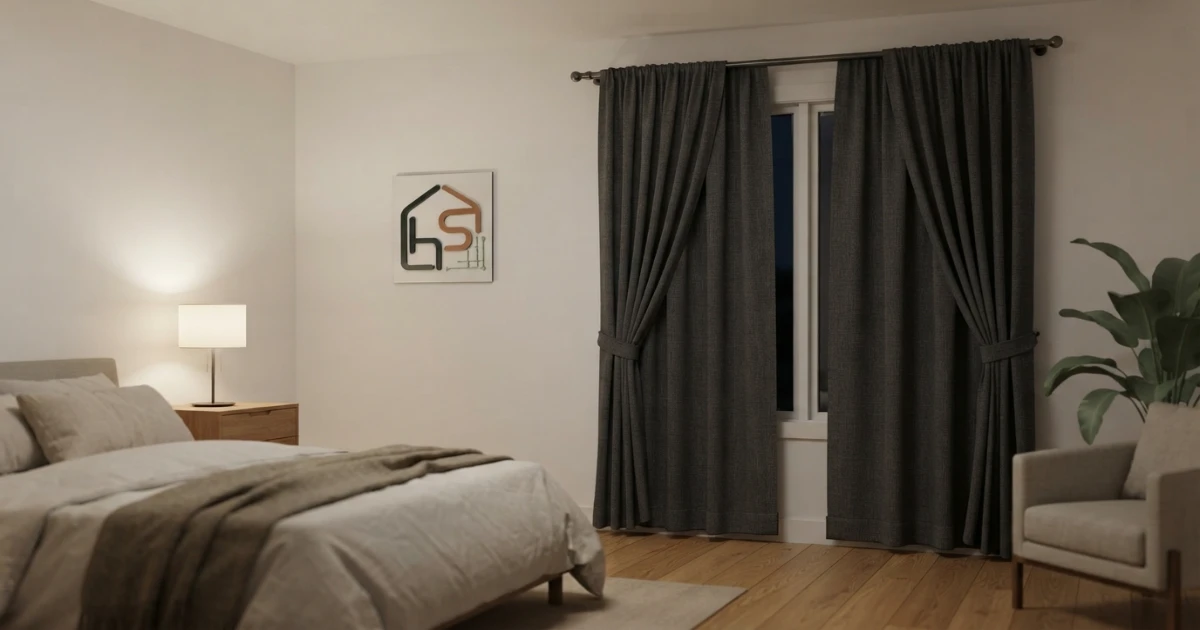
Dining rooms can support a floor kiss, break or restrained puddle because the panels are often away from the main table route. Keep the fabric clear of serving furniture, radiators and floor vents.
A puddle suits a formal dining room when chairs do not reach the window wall. In a compact dining area, a float is safer and easier to clean after meals.
Check whether the curtain will brush a sideboard, bench or plant stand when opened. The finished length should work in both the closed and stacked positions.
Use the Dining Table Size Calculator to check chair pull-out space before approving a break or puddle near the dining route.
Kitchen, bathroom and radiator windows
Full-length curtains are not always appropriate. Near sinks, counters, radiators or wet floors, use sill, apron, café or Roman treatments that remain clear of heat and moisture.
Sill-length curtains usually stop about 1/2 inch above the sill. Apron curtains commonly finish around 1 inch below the lower trim, provided they do not interfere with a radiator or worktop.
Keep fabric away from cooking surfaces, open flames, heaters and wet work zones. In homes with children, choose cordless or inaccessible-cord treatments and keep furniture away from the window. Use the window measurement guide to record every obstruction before selecting a sill, apron or floor-length treatment.
Sliding doors and French doors
Curtains beside sliding or French doors need a practical float. Fabric that kisses or puddles can catch under feet, absorb moisture or interfere with the door track.
Measure the highest point of the floor along the full travel area. Allow space for handles and make sure the panels stack beyond the active glass.
A ceiling track can create a clean wall-to-wall treatment. Confirm the carrier drop before calculating the finished panel length.
For wide doors, calculate the complete rod span and panel quantity in the Curtain Size Calculator, then verify side returns and handles in Measure Window for Curtains.
Bay and corner windows
Bay windows may have floor levels that vary across several wall angles. Measure every panel position separately and label each result.
A continuous floor kiss is difficult when one side of the bay is lower. A 1-inch float is more forgiving and keeps the hems visually consistent.
Corner tracks and passing brackets can change where the fabric hangs. Measure from the final carrier or ring, not from a temporary ceiling mark.
Label every bay section separately in the window measurement guide before ordering panels or a curved track.
Rod height, track position and curtain heading
Rod height determines panel length. Mounting close to the ceiling can make the room feel taller, but it may move the required length beyond a common ready-made size.
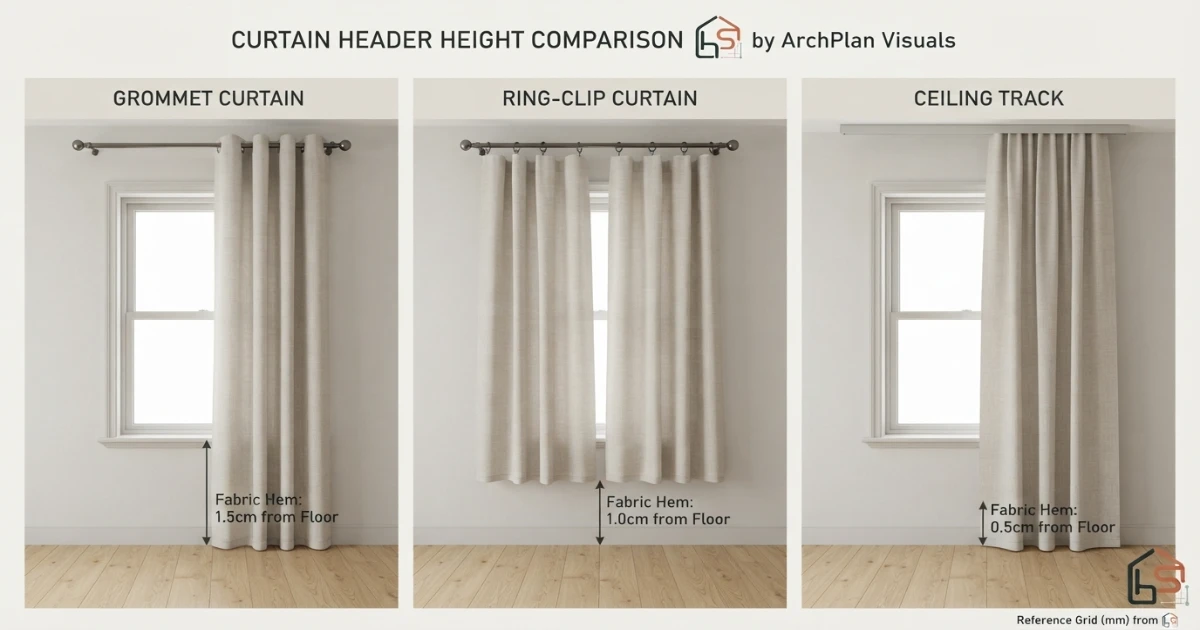
Grommet panels hang from the top edge differently from clip rings, pinch pleats and wave tracks. A ring can add visible drop below the pole, while a rod pocket places fabric directly over it.
The curtain length guide formula works only when the starting point matches the product. Check whether the retailer measures from the fabric top, grommet top, grommet inside edge or hook position.
Use How High to Hang Curtains to compare the classic rise, two-thirds rule and near-ceiling mounting position before calculating the final drop.
Uneven floors, baseboards and obstacles
Measure at three or more points when the floor is uneven. Use the shortest measurement for a float or kiss so the fabric does not drag at the highest point.
Deep baseboards can push a puddle forward and create uneven folds. Floor vents can lift lightweight panels and move them away from the wall.
Radiators require manufacturer-approved clearance. Do not let curtain fabric rest on a heater. Choose a shorter treatment or adjust the rod and panel position.
Fabric weight, lining and shrinkage
Heavy velvet, interlining and blackout lining can lengthen a panel as the fabric relaxes. Lightweight voile may move with air currents and reveal small floor gaps more clearly.
Natural fibers can shrink when washed. Read the care label before cutting or hemming. Pre-washing is appropriate only when the manufacturer permits it.
Thermal and blackout treatments work best when the panel length, rod projection and side coverage are planned together. After choosing the floor finish, use the Curtain Size Calculator to check rod width, fullness and panel count so the treatment closes without large edge gaps.
Hemming ready-made curtain panels
Buy the next workable length rather than choosing a panel that is already too short. Hang the curtains, let them relax, mark the final position and then hem.
Iron-on tape offers a quick adjustment for lightweight panels. Sewn hems are more durable and preserve a professional weighted edge. Patterned panels require careful matching so the motif remains level.
Keep the original hem depth when possible. A deep hem helps the curtain hang straight and gives future adjustment room.
Common curtain-length mistakes
The most common mistake is measuring from the top of the rod instead of the actual hanging point. Other errors include ignoring ring drop, measuring before the rod is installed and assuming the floor is level.
Buying an 84-inch panel for every 8-foot ceiling can create a visible gap when the rod is mounted high. Choosing a puddle in a high-traffic doorway creates cleaning and trip problems.
Do not cut panels immediately after unpacking. Hang, steam and allow the fabric to settle before final hemming.
Safety, circulation and accessible routes
Keep curtain fabric out of doorways, stair approaches and narrow walking routes. A floor puddle should never project into an area where people change direction or use mobility equipment.
Maintain a clear walking route around doors, furniture and window treatments. A puddle should never project into the path used to enter the room or reach a door handle. For bedrooms and compact rooms, test the full furniture arrangement in the Bedroom Layout Planner before approving a long decorative finish.
Use cordless or inaccessible-cord systems where children may be present. Secure tiebacks and avoid long loose cords near cribs, beds and play areas.
Curtain buying checklist
Confirm the measured drop, heading type, actual panel length, hem allowance, fabric shrinkage guidance, lining, care method and return policy.
Check whether the stated measurement includes fringe, tabs or rings. Order all panels together when dye-lot consistency matters.
Photograph the tape measure at the left, center and right positions. Save the rod height and ring-drop measurement for future replacement panels.
| Check | Pass condition | Why it matters |
|---|---|---|
| Hanging point | Measured from actual hook, ring or pocket | Prevents wrong finished drop |
| Floor level | Left, center and right measured | Avoids dragging on one side |
| Style allowance | Float subtracted or puddle added | Creates an intentional finish |
| Standard length | Long enough to hem | A short panel cannot be extended easily |
| Safety and care | Clear route and suitable cleaning method | Keeps the treatment practical |
Curtain length guide by ceiling height
A curtain length guide can narrow the shopping range by ceiling height, but it cannot replace a real drop measurement. Ceiling height tells you which ready-made lengths are worth checking first.
In an 8-foot room, high mounting often points toward 90-, 95- or 96-inch panels. A rod placed just above the trim may work with 84 inches, but the window can appear shorter.
With a 9-foot ceiling, 108-inch panels are a common starting point. Ten-foot rooms often need 120 inches, while taller spaces may require 132-, 144-inch or custom panels.
This curtain length guide assumes the panel can be hemmed. Always buy enough fabric for the planned finish, especially when adding a break or puddle.
Curtain length guide examples using standard panels
Suppose the measured hook-to-floor drop is 94.5 inches. A 1/2-inch float needs a 94-inch finished panel, so a 95- or 96-inch ready-made panel provides a workable hem allowance.
If the same window needs a 1.5-inch break, the target becomes 96 inches. A standard 96-inch panel may work without cutting, although fabric relaxation and heading construction still need checking.
For a 107-inch drop with a floor kiss, a 108-inch panel offers one inch for leveling. This curtain length guide favors a slightly longer panel because it can be corrected after hanging.
A panel that finishes two or three inches short cannot usually be repaired without lowering the rod, adding a fabric band or changing the floor style.
Curtain length guide for layered sheers and blackout panels
Layered window treatments look most intentional when the sheer and main panel finish at the same line. A visible difference of 1/4 inch can appear acceptable, but larger mismatches look accidental.
This curtain length guide recommends measuring both tracks or rods separately. A rear sheer track may sit higher or closer to the wall than the front decorative rod.
Blackout panels can be slightly longer than sheers when the extra length reduces a bottom light gap. Avoid a bulky puddle behind a clean floating sheer.
Use the sheer curtain sizing guide and blackout curtain size guide when the two layers use different headings or mounting depths.
Curtain length guide with tiebacks and holdbacks
Tiebacks lift the side of a curtain and can make a floor-kiss panel appear shorter near the outer edge. Test the tied position before choosing an exact kiss.
A small float is more forgiving when panels are opened and tied every day. This curtain length guide treats the moving shape of the fabric as part of the final measurement.
Install holdbacks far enough from the window to create a smooth curve without pulling the hem several inches off the floor. Heavy lined curtains may require stronger anchors and a wider sweep.
Curtain length guide for rentals and temporary mounting
Renters may need to work with existing rods. Measure the current hanging point before buying and avoid assuming a panel can be moved higher later.
This curtain length guide suggests selecting a panel that can float neatly at the existing height. A floor kiss is risky when the rod cannot be adjusted and the floor is uneven.
Clip rings can add a small amount of length, while folding or hemming can shorten a panel. Tension rods and adhesive supports must stay within their listed weight limits.
Curtain length guide for visual proportion
Long curtains create a continuous vertical line from the mounting point to the floor. This can make a window feel taller and help a low ceiling appear less compressed.
A curtain length guide should coordinate length with width. Narrow panels pulled tightly across a wide window will not look generous, even when the floor finish is perfect.
Mounting high and wide often improves proportion, but the rod should not collide with crown molding, vents or ceiling fixtures. The panels also need enough wall space to stack outside the glass.
Coordinate the completed window wall with the Wall Art Size Calculator and Lighting Calculator so nearby artwork and fixtures support the new vertical line rather than compete with it.
Curtain length guide for carpet, wood and tile floors
Carpet compresses under a tape measure and can make a floor kiss difficult to repeat. Measure to the top of the pile without pushing the tape into the backing.
On smooth wood or tile, a kiss or break is easier to arrange but the hem may slide as the curtain moves. This curtain length guide favors a float near doors and cleaning routes.
Thick rugs placed beneath a window can change the apparent floor level. Measure after the rug and pad are installed, especially when the curtain will overlap the rug edge.
When a rug changes the floor level near the window, confirm its footprint with the Rug Size Calculator before making the final hem.
Curtain length guide for custom-made curtains
Custom curtains allow exact finished dimensions, but the workroom still needs a clear measurement reference. Specify whether the length is from the top of the fabric, pin setting, ring eye or track carrier.
This curtain length guide recommends providing the left, center and right drops, the chosen floor finish and the planned hardware. Include photographs when molding or flooring creates an unusual condition.
Ask whether the workroom allows for fabric relaxation, pattern matching, weighted hems and future adjustment. A generous hem can make later leveling easier.
Room-by-room curtain length guide chart
The table summarizes practical starting points. Adjust the finish when pets, children, heaters, doors, moisture or frequent cleaning change the room requirements.
| Room or opening | Preferred finish | Typical allowance | Main reason |
|---|---|---|---|
| Living room | Float or kiss | -1 to 0 in | Tailored appearance and easy care |
| Bedroom | Float or kiss | -1 to 0 in | Light control without floor bulk |
| Formal dining room | Kiss, break or puddle | 0 to +6 in | Decorative low-traffic treatment |
| Sliding door | Float | -0.5 to -1 in | Clear movement and moisture |
| Kitchen or radiator | Sill or apron | Clear heat and worktops | Safety and cleaning |
Final curtain length check before ordering
Repeat the measurement after the rod or track is fixed. Compare the chosen style with the room’s cleaning routine, furniture layout and door movement.
Enter the confirmed drop in the Curtain Size Calculator. Recheck the mounting position in How High to Hang Curtains, then use the matching 8-, 9- or 10-foot ceiling guide when comparing ready-made retail lengths.
Enter the final drop in the curtain size calculator. Then compare the result with the standard curtain sizes chart before selecting a ready-made panel.
Curtain length guide FAQs
Should curtains touch the floor?
Most full-length curtains should either float about 1/2 to 1 inch above the floor, lightly kiss the floor, or create an intentional break. Accidental gaps of several inches usually look unfinished unless the curtain is designed for a sill or apron treatment.
How far should curtains float above the floor?
A practical float is about 1/2 to 1 inch above the finished floor. Use the shortest floor-to-hook measurement when the floor is uneven so the hem does not drag at one side.
How much extra length is needed for a puddle?
A restrained puddle usually adds 3 to 6 inches beyond floor length. A dramatic formal puddle can use more fabric, but it needs regular arranging and is less practical in homes with pets, children, dust or frequent cleaning.
Is it better for curtains to be too long or too short?
Slightly long curtains can usually be hemmed or raised. Curtains that are several inches too short cannot be corrected without changing the mounting height, adding a contrasting band or replacing the panels.
What curtain length works for an 8-foot ceiling?
With an 8-foot ceiling, 84-inch panels may work only when the rod sits close to the window frame. High-and-wide mounting often requires 90-, 95- or 96-inch panels. Measure from the actual hook or ring position to the floor.
Do curtain rings change finished length?
Yes. Rings, clips and hooks change the distance between the rod and the top of the fabric. Measure from the point where the fabric will hang, not from the top of the pole, unless the panel passes directly over the rod.
Should bedroom curtains puddle?
Bedroom curtains can puddle for a soft decorative look, but a float or floor-kiss is easier to vacuum around and less likely to collect dust. Blackout curtains usually perform best when the side and bottom gaps are minimized without creating a bulky floor pile.
How do I measure when the floor is uneven?
Measure at the left edge, center and right edge of the planned panel. Use the shortest measurement for a clean float or kiss, then note the difference so the hem can be leveled after hanging if necessary. Confirm the final measurement with the Curtain Size Calculator.